The Real Guide to Self-Published Book Marketing for US Authors in 2026
Discover proven self-published book marketing strategies for US authors in 2026. Learn how to boost visibility, attract readers, and increase book sales.

Self-published book marketing is one of those things nobody warns you about. You spend months, sometimes years, writing a book. You hit publish. And then… nothing happens. That’s not a failure. That’s just what happens when great writing meets zero visibility.
The good news? Book marketing strategies don’t have to be complicated or expensive. They just have to be consistent. This guide is for US authors in 2026 who are done waiting for readers to show up and ready to go find them.
Why Most US Self-Published Authors Struggle to Sell
Here’s something nobody tells you upfront: Amazon is not a marketing plan.
Uploading your book to KDP gets it listed. It doesn’t get it found. There are millions of books on Amazon right now, and without some effort on your part, yours is just one more title in an endless scroll. Book promotion ideas don’t have to be overwhelming. But they do have to exist.
The authors quietly selling hundreds of copies a month aren’t luckier than you, they just started promoting before they needed to.
Read More: Publish a Book on Amazon
Build Your US Author Platform Before You Need It
The biggest mistake new authors make is treating launch day as day one of marketing. By then, it’s almost too late to build momentum. Your author platform is the foundation everything else sits on, your website, your email list, the places online where readers can find you and follow along. Start building it while you’re still writing.
Here’s what that looks like in practice:
- A simple author website with your bio, your book, and a way to contact you.
- An email signup, even if it’s just a free Mailchimp form to start.
- One or two social platforms where your ideal readers actually spend time.
You don’t need a huge following to increase book sales. A small, engaged audience that actually cares about your work will outperform a big, passive one every single time.
Stop Underusing Amazon as a US Author
Most self-published authors set up a basic KDP page and call it done. That’s leaving a lot on the table. Amazon has tools built specifically to help US authors get discovered, and most people never touch them.
| Amazon Feature | What It Actually Does |
|---|---|
| Amazon Author Central | Builds your author profile, bio, photos, videos, and editorial reviews |
| A+ Content | Adds visuals and formatted descriptions to your book page |
| Kindle Select / KDP | Unlocks free-day promos and countdown deals |
| Categories & Keywords | Gets your book in front of people already searching |
The categories and keywords section matters more than most authors realize. Don’t just pick “Fiction” or “Business”; go niche. Find subcategories with lower competition where you can actually rank. Your book description should use the same language your readers use when they search. This is an online book promotion that works quietly in the background, even when you’re not actively promoting.
Read More: Best Selling Book in USA
Build Buzz with a Smart Book Launch
A book launch marketing plan doesn’t need a big budget. It needs a timeline and a little relationship-building before the big day.
Here’s a simple framework that works:
- 4-6 weeks out: Reach out to book bloggers, bookstagrammers, and BookTok creators in your genre. Send advance review copies (ARCs). Don’t wait until launch week to do this.
- 2 weeks out: Start teasing on social. Show the cover. Share a line or two from the book. Tell the story behind it.
- Launch week: Email your list. Post every day. If you’re on KDP Select, run a limited promotion to boost early visibility.
- After launch: Keep going. Most authors disappear after week one. Don’t be that author.
Promote Your Book Off Amazon Too
Amazon is a great place to sell books. It’s a terrible idea to make it your only place.
Other places worth your time:
- Goodreads: Build your author profile, join genre-specific groups, run a giveaway.
- BookBub: Grow a following there and apply for featured deals when you’re ready.
- Social media: Short-form video is working incredibly well for books right now. Reels and TikToks about your writing process, your characters, your inspiration — readers eat it up.
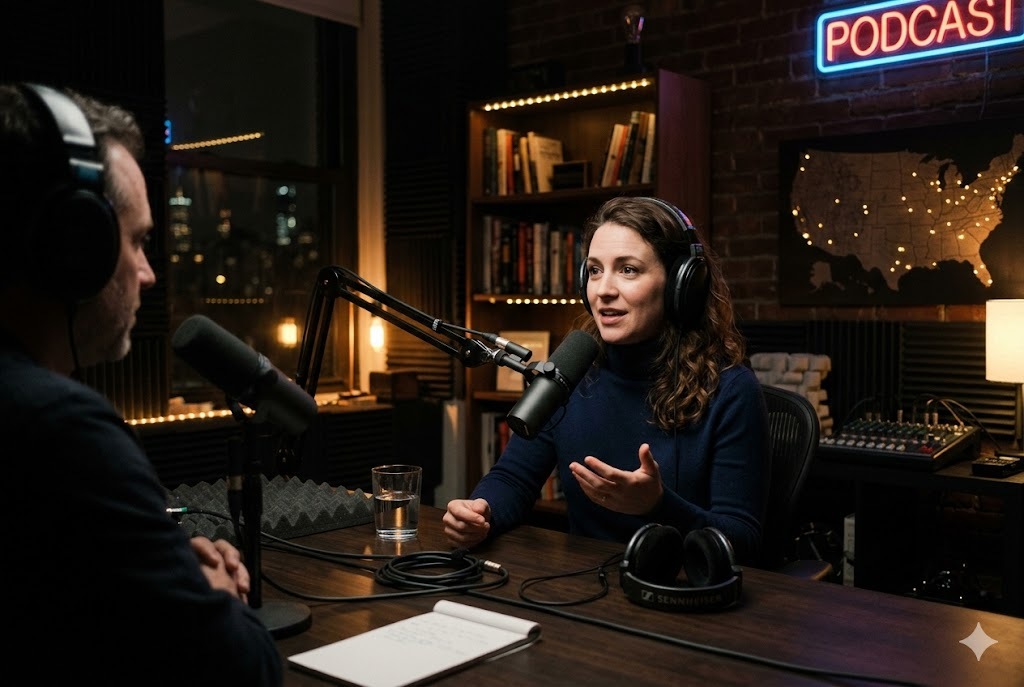
- Podcasts: Pitch yourself as a guest on shows your target readers already listen to.
- Local media: Local newspapers, radio stations, and community events are genuinely underused by US authors, and the competition is almost zero.
Read More: Amazon Author Central
If You’re Going to Run Ads, Do It Right
Paid ads can speed things up. They can also drain your budget fast if you go in blind. Amazon Ads are the best starting point for US authors. They’re not complicated to set up, they keep buyers on-platform, and you can start small while you figure out what’s working. Test a few different keyword sets. Cut what isn’t converting. Scale what is.
Facebook and Instagram ads work better for long-term audience building, especially if you write a series or plan to publish more books down the line. One rule that applies everywhere: don’t run ads to a book with no reviews. Get the reviews first. Then run the ads.
Email Marketing Is Still the Best Long-Term Strategy for US Authors
Social media is a rented space. Platforms constantly change their algorithms, and what works today might not work next year. Email is different.
To grow your list:
- Offer something free in exchange for signing up, a bonus chapter, a short story, or a resource related to your book’s topic.
- Add a signup link to the back matter of your book.
- Mention your list on social media regularly, not just once.
It grows slowly. But it’s the most reliable self-published book marketing asset you’ll ever build, and it’s yours, no matter what happens to any platform.
Final Thoughts
The authors selling books every single day in 2026 aren’t necessarily the most talented writers in the room. They’re just the ones who didn’t quit after launch week. They kept showing up, kept connecting with readers, and kept treating book marketing strategies like a habit rather than a chore.
You don’t need a perfect plan. You need a starting point.
Pick two or three strategies from this guide. Give them 90 days of real, consistent effort. Then look back and build from there. Your book didn’t write itself, and neither will your readership. Go find them.